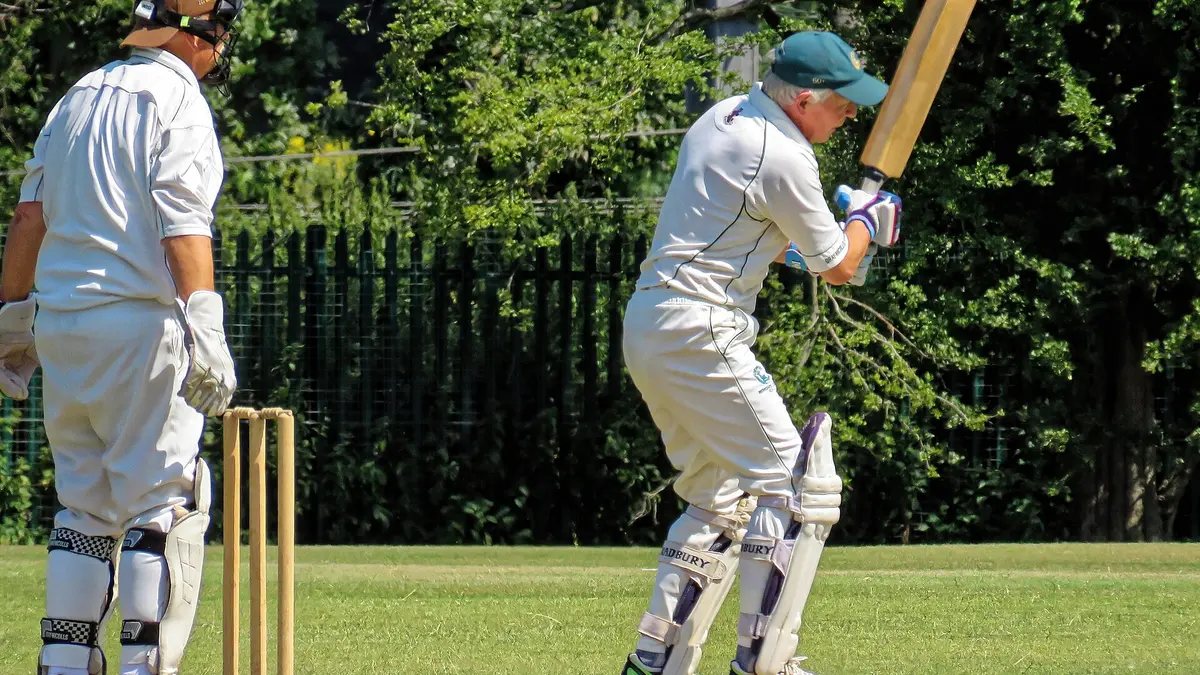
On the field
Drink Wise Northwest keeps cricket pages focused on structure: what actually changes outcomes (form, matchups, schedule, tactics), not recycled hype.
What usually shifts outcomes
Spin matchups, death-over plans, fielding placements, and when captains declare in Tests still swing long sessions.
Watching live
Watch field sets, bowling changes at the death, review calls, and how batters rotate strike against spin in the middle overs.
Season rhythm
World Cup and IPL windows air overnight in the PNW. Rain delays overseas still mean you wake to a revised chase, not a full replay.
When you catch highlights after a wet Seattle morning, read the required rate graph before you call a choke.
Before you watch
Check toss, DLS method risk, and dew under lights. Confirm death bowlers. Write one takeaway after the final whistle so the next preview starts with evidence, not memory. Schedule density still beats star names when legs go; note minutes and travel before you react.
- Powerplay: boundary percentage versus wickets.
- Spin: middle-over control on used pitches.
- Fielding: boundary riders in long T20 innings.
Common misreads
Flat pitches inflate totals. Strike rate without wickets in hand misleads chases. Read phase targets. Keep this checklist handy when travel weekends stack, so you judge process before the highlight reel. If the broadcast skips context, rewind ten minutes and match what you see to the rhythm notes above. Spot a stale detail after a trade, injury, or schedule shift? Use the contact link and we will refresh the page.
Bottom line
Use this guide when you preview a match or catch up at stumps. Spot something stale? Tell us and we will fix it.