On the field
Drink Wise Northwest keeps formula 1 pages focused on structure: what actually changes outcomes (form, matchups, schedule, tactics), not recycled hype.
What usually shifts outcomes
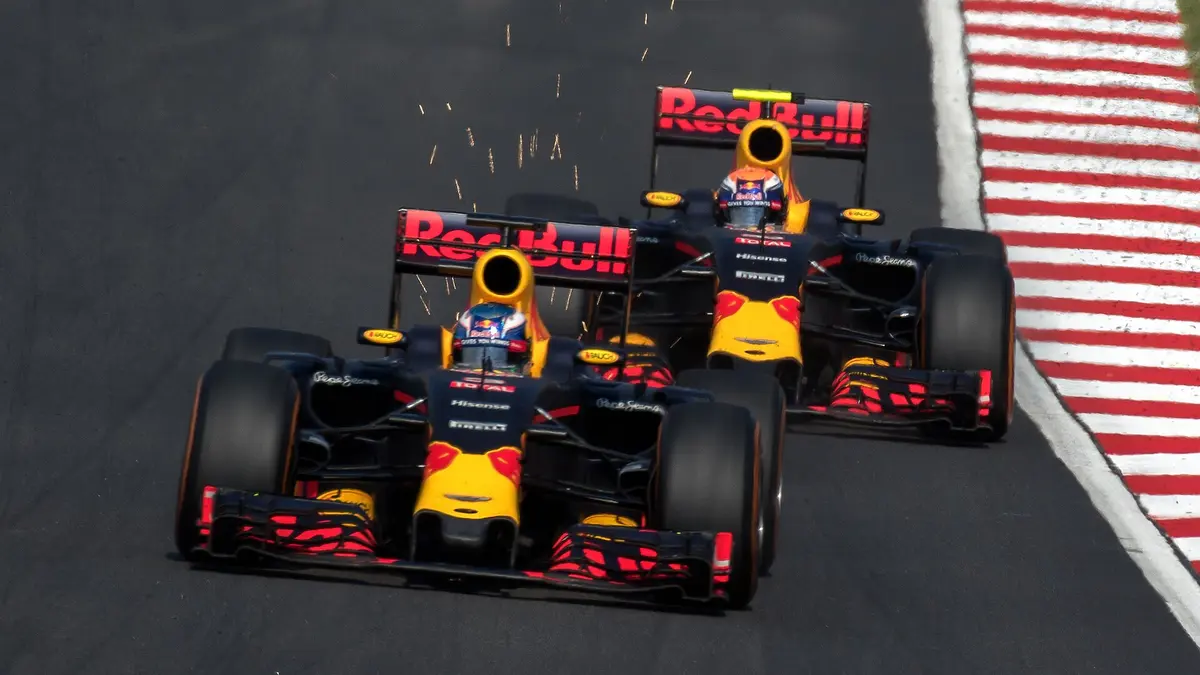
Tyre strategy, track evolution, DRS trains, and safety-car timing can flip a Sunday result after a quiet qualifying.
Watching live
Follow tyre stints, undercut attempts, DRS trains, team radio about brake temps, and safety-car restarts that shuffle the order.
Season rhythm
Early European races air at awkward Pacific hours. Rain delays stack with your morning commute on I-5, so weekend catch-up viewing is normal.
When you join mid-race, check stint ages on the timing tower before you blame a driver for pace.
Before you watch
Check grid penalties and weather radar. Note who started on hards versus mediums. Write one takeaway after the final whistle so the next preview starts with evidence, not memory. Schedule density still beats star names when legs go; note minutes and travel before you react.
- Tyres: graining in cool mornings versus hot afternoons.
- Strategy: one-stop gamble when safety cars cluster.
- Traffic: DRS trains on street circuits.
Common misreads
Qualifying hero laps without deg data mislead. Safety cars randomize gaps. Compare average stint pace. Keep this checklist handy when travel weekends stack, so you judge process before the highlight reel. If the broadcast skips context, rewind ten minutes and match what you see to the rhythm notes above. Spot a stale detail after a trade, injury, or schedule shift? Use the contact link and we will refresh the page.
Bottom line
Use this guide when you preview a session or catch up after the chequered flag. Spot something stale? Tell us and we will fix it.